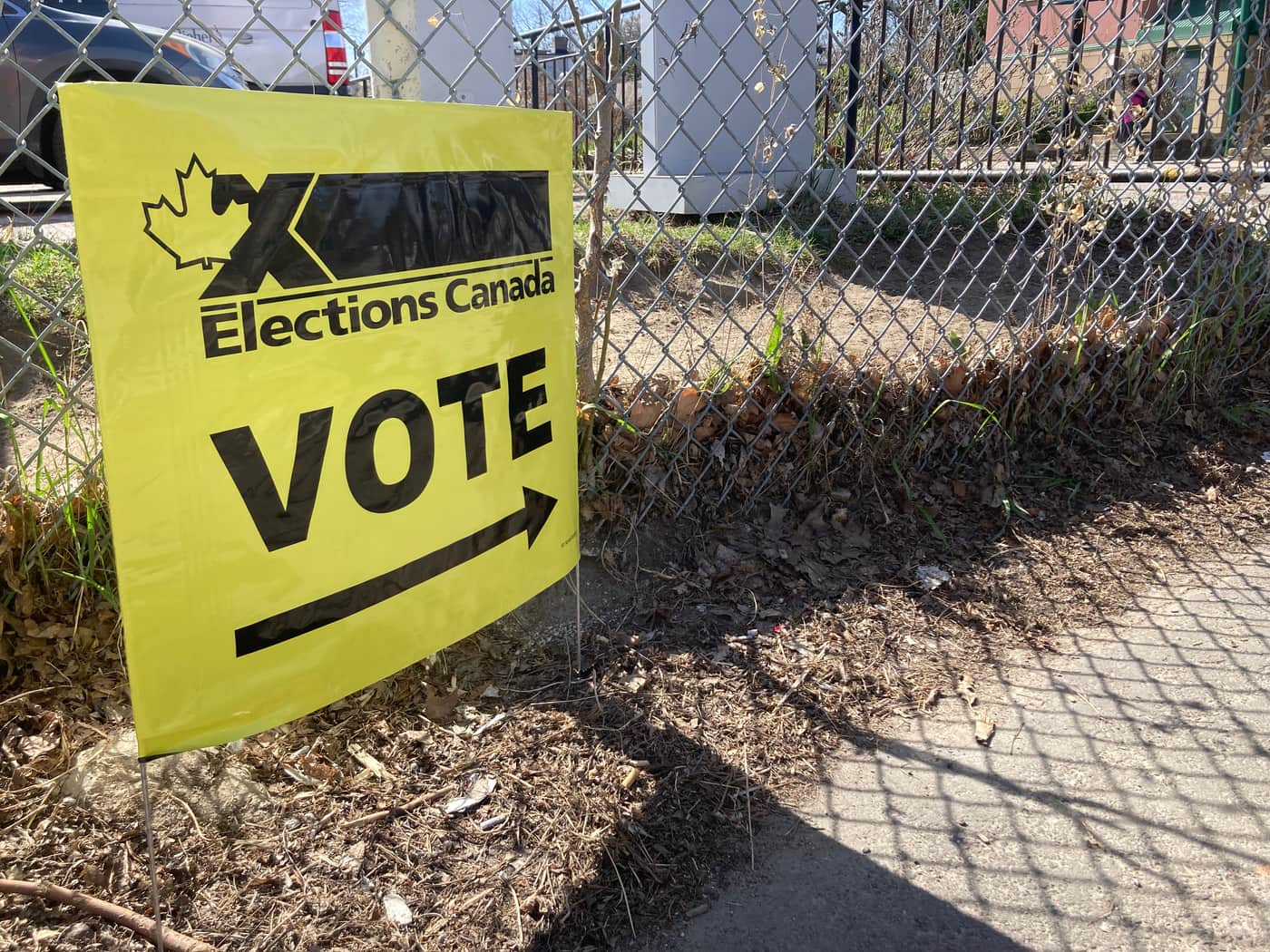
Elections are a key cornerstone in every democratic country. Canada is no different, with federal elections normally scheduled every four years, while provincial and municipal election dates vary depending on the province, territory, or municipality.
Federal and provincial elections in Canada generally use the first-past-the-post system, where the candidate who receives the most votes in a riding wins the seat. Federal elections decide who will represent different areas in Parliament, and the leader of the party that is able to gain the confidence of the House of Commons usually becomes Prime Minister. Provincial elections decide who will become the premier of the province and who will work in the provincial Parliament or the Legislative Assembly. Municipal elections decide who will be the mayor of the city or town and also decide who is on the city council and school board.
But how do people vote in these elections, and how do the votes influence the final decision?
Federal Elections
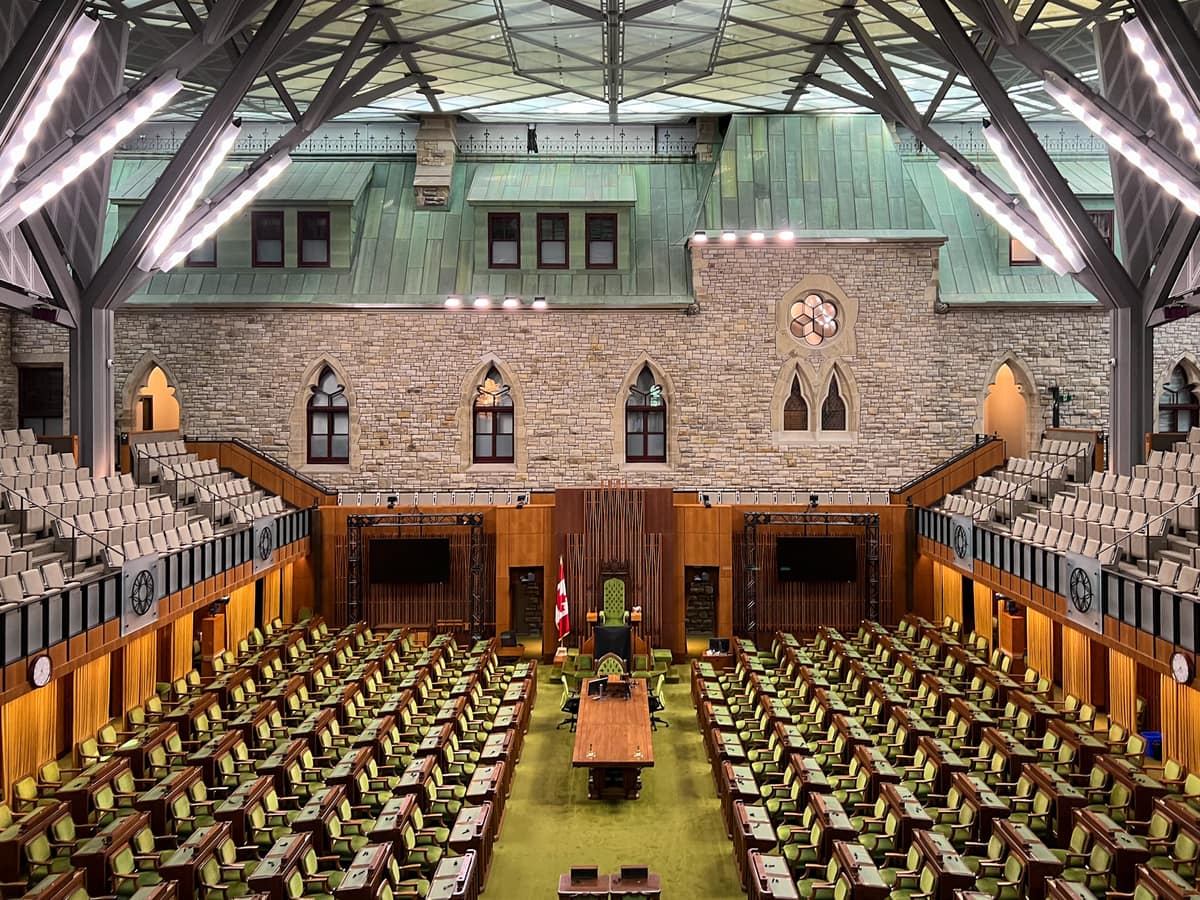
Federal elections are held all over the country and follow the same process in every province and territory. Federal elections normally occur on the third Monday of October in the fourth calendar year after the previous general election, but they can be called earlier. Federal election campaigns are announced 37–51 days in advance.
Federal elections are often held in public spaces such as schools or churches. People can vote in person or mail in their votes. But people don't vote directly for the Prime Minister; instead, they vote for someone to represent their district, or riding, in Parliament. Those people are called MPs, and they often belong to a political party, but can decide to run independently as well.
When a political party has the most MPs in Parliament, that political party's leader usually becomes the Prime Minister. In Parliament, there are 343 seats, and in order for a political party to win a majority government, it must get 172 or more seats. If no party has 172 seats, that is called a minority government. The governing party must receive support from other MPs to pass laws and remain in power.
Provincial Elections
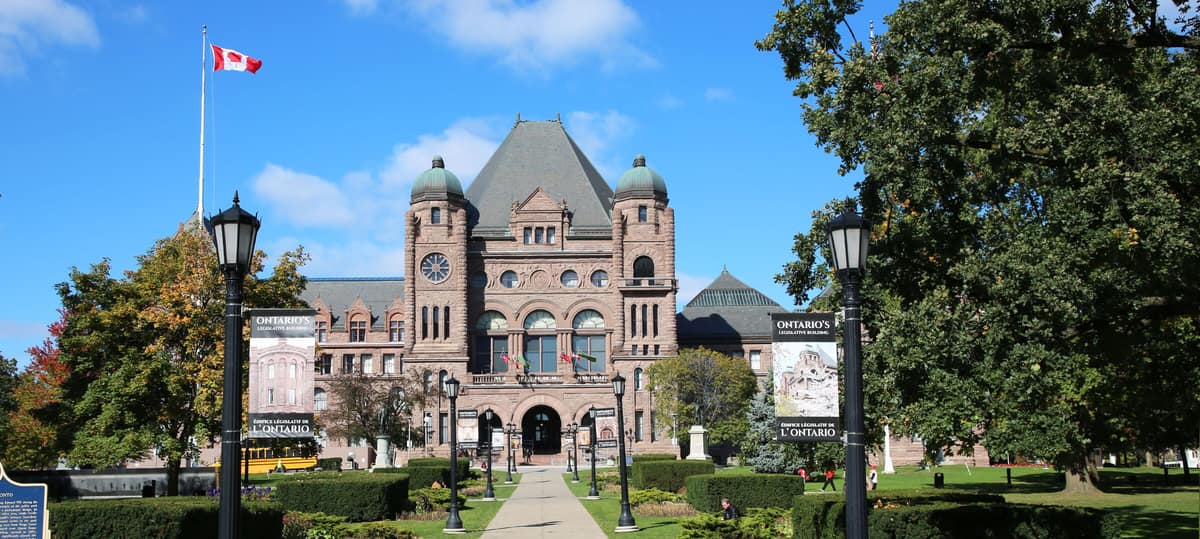
Provincial elections are similar to federal elections, except they happen at a different time and you don't vote for the same people. During a provincial election, you don't vote for an MP; instead, you vote for an MPP (Member of Provincial Parliament).
The premier of the province is chosen in a similar way to the Prime Minister, with the number of MPPs elected from each party helping determine which party forms government. The province is split up into electoral districts, with people voting for a representative for their district.
The Legislative Assembly of Ontario has 124 seats, and a party must gain 63 or more seats to hold a majority government. Provincial elections don't differ that much from federal elections and are basically the same, but on different levels of government.
Municipal Elections
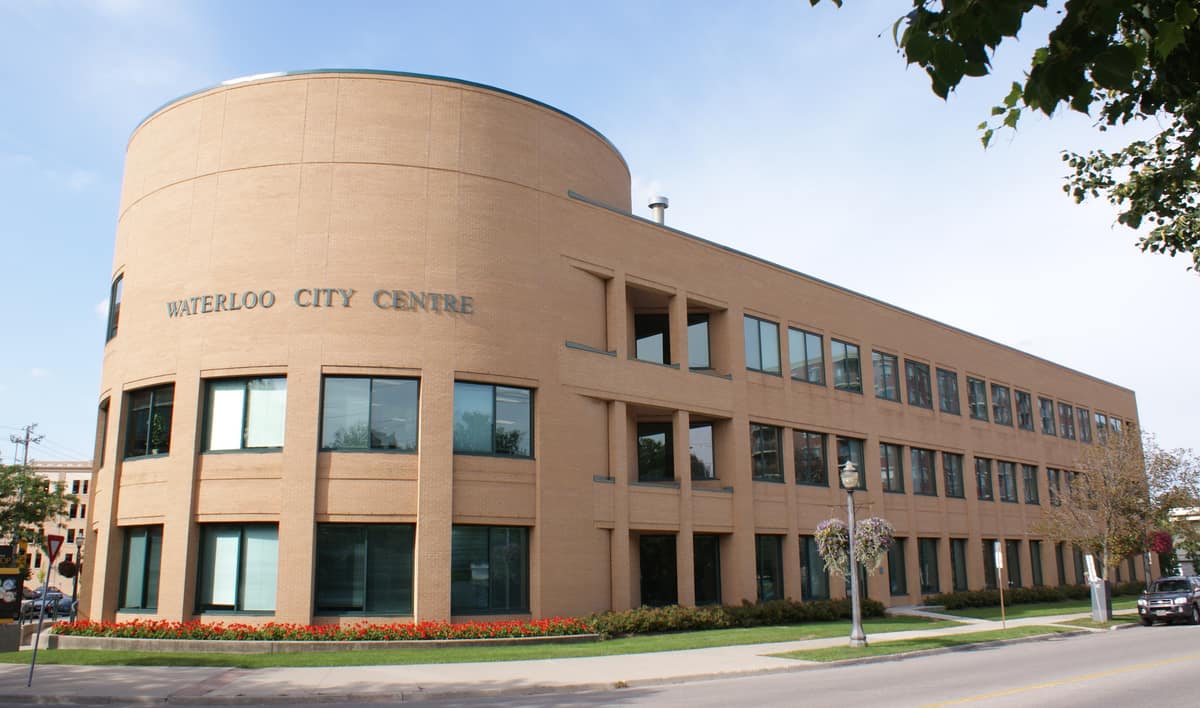
Municipal elections are a bit more complicated since there are multiple things people vote for. Municipalities have councils that can be voted for through two ways.
One way is by voting by ward. Wards are different sections of a municipality, used to divide the municipality for elections. To vote for a council, each ward will vote for one or more candidates, and the candidates from different wards will make up a council. Through this method, each member of council will be responsible for their ward.
The other way is through voting at-large. Voting at-large means there are no wards, and the whole municipality votes for candidates. The top candidates form the council. Voting this way makes the whole council in charge of the entire municipality, instead of each member being responsible for one ward.
County councils are a bit different. Counties are made up of townships and villages, and their councils are made up of the heads of council or mayors of the municipalities inside the county. Then, the county council can pick a warden, who leads the county government.
Regions are like counties, except they tend to be more urbanized and have a denser population. Regions have regional chairs, who may be elected by people or appointed by municipal councils, depending on the region.
Why Voting Matters
Municipal elections are often the most complex because they can involve voting for several positions, such as mayor, councillors, and school-board trustees. Federal and provincial elections generally operate in similar ways and are the most well-known.
With voter turnout often lower in municipal elections, it is important to remind people to head out for these elections, as they impact how we live and the decisions made for us.